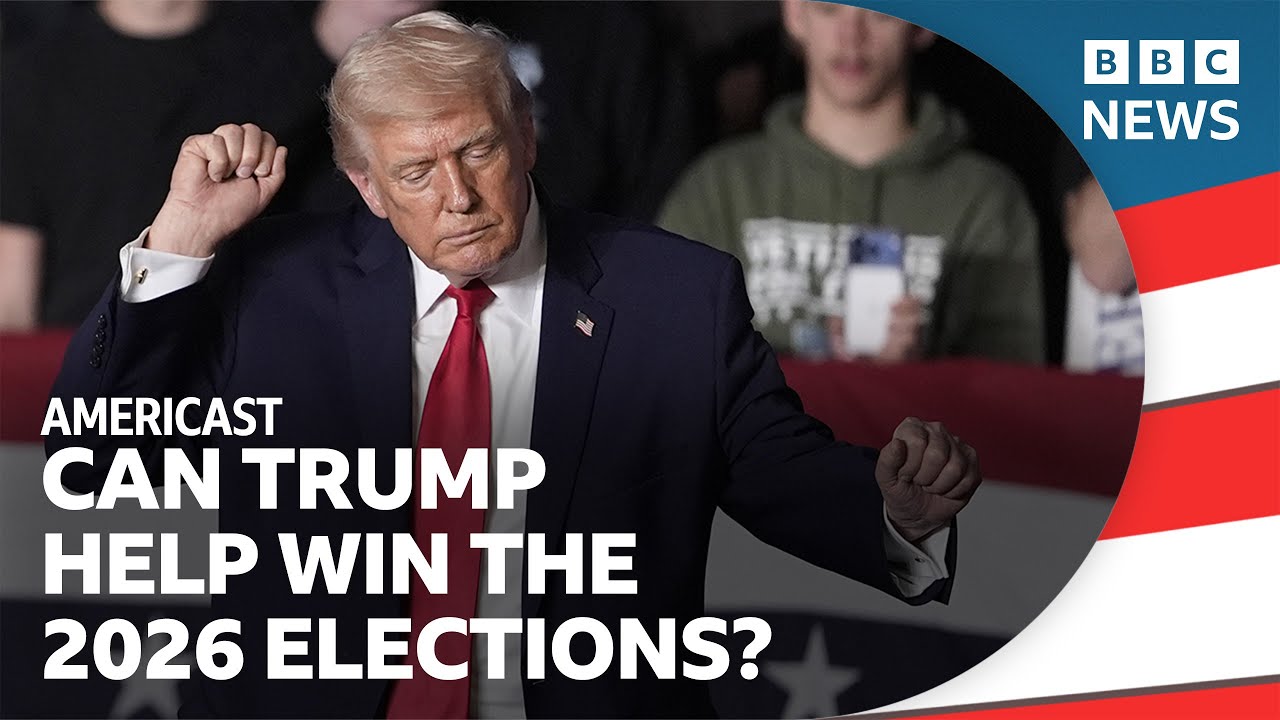
The Midterm Crucible: Navigating the Political Landscape Ahead of 2026
As the 2026 midterm elections loom ever closer, the stakes for the Republican Party—and for Donald Trump—are dizzyingly high. Midterms have historically been challenging for sitting presidents, and Trump’s quest to maintain Republican control over both the House and Senate is a pivotal element in framing his legacy. With crucial seats up for grabs, the impending election not only foreshadows the future of Trump’s presidency but also signals a potential shift in the control of Congress.
Understanding the Stakes
The midterm elections are crucial; all 435 seats in the House of Representatives and a third of the Senate seats are at stake. More than that, key governorships and state legislatures could dramatically impact policy on both a federal and state level. In an electoral landscape already polarized by partisanship, control of Congress has significant implications. A Republican majority means the continuation of Trump’s legislative agenda, while a Democrat-led Congress could lead to potential investigations and oversight that could hinder the President’s plans.
Historically, midterms have not favored the party of the sitting president. Trump’s own statements echo this sentiment, as he acknowledged the challenges faced by incumbents. In his recent rally in Iowa, he noted the difficulty of garnering midterm victories even for presidents buoyed by strong policies. If the Republicans lose control of either chamber, they risk losing the power to push through key tax cuts and other crucial policy initiatives.
The Campaign Strategy
With November 2026 edging closer, attempts to galvanize the Republican base are already underway. Brian Lanza, a veteran of Trump’s previous campaigns, suggests that Trump’s active participation in the election process will be vital. Unlike previous midterms where incumbents might fade into the background, Trump’s strategy appears to be front and center—effectively placing himself on the ballot. This approach could motivate his core supporters, particularly those who only turn out when Trump himself is present.
However, the demographics of the American electorate are shifting. While Trump still commands a loyal following, many voters express fatigue with a two-party system that often feels stagnant. Republicans will need to develop a compelling narrative that connects with voters’ financial realities while articulating a vision for the future.
Economic Messaging and Challenges
Central to Trump’s campaign narrative is the economy—a subject that resonates profoundly with voters. Lanza points out the juxtaposition between improving economic indicators and public perception. While inflation may be easing, the immediate lived experiences of voters may not align with economic statistics. Selling the idea of a recovering economy requires a delicate balancing act: acknowledging shortcomings without over-promising results.
Moreover, Trump’s immigration policies, which formed the backbone of his previous campaigns, may now serve as potential liabilities. Images and stories of immigration clashes often weigh heavily on voters’ minds, complicating the message for Republicans aiming to enforce border security. A nuanced approach is required—one that focuses on lawful immigration while simultaneously addressing public safety concerns without alienating moderate voters.
The Road Ahead
As the 2026 midterms approach, the necessity for an effective Republican strategy becomes increasingly pressing. Trump’s messaging will need to pivot away from mere defense and toward a pragmatic presentation of progress. Republicans face challenges not only from within their party but also from a Democratic base that remains steadfast and energized.
A successful campaign cannot solely rely on vilifying Democrats or invoking past grievances. Instead, it must focus on a hopeful vision that calls for continued resilience and a clear path toward improvement. Whether that is focused on economic growth, strong foreign policy, or immigration reform, Republicans must align their objectives with the everyday lives of voters.
In these final months leading to November, the combination of voter sentiment, economic narratives, and the ever-present specter of historical precedent will shape the midterms. For Trump and the Republican Party, it’s a make-or-break moment—one that could redefine their trajectory in American politics for years to come. As they prepare for an uphill battle, their messaging must resonate not only with die-hard supporters but also with the broader electorate seeking solutions amidst uncertainty.